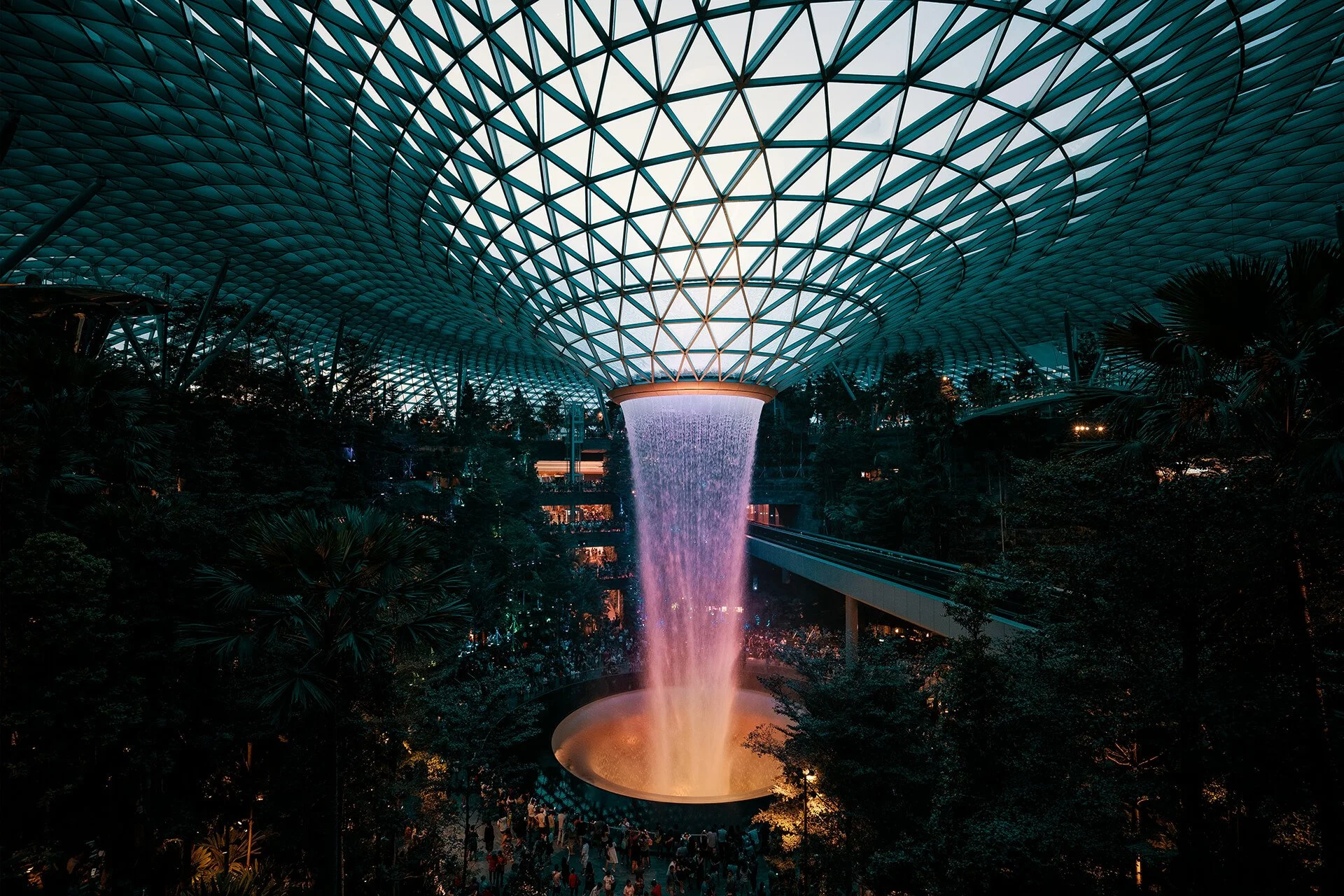
The Day After the Opening: Designing Destinations that Endures
There is a specific kind of silence that falls over a space the morning after the ribbon is cut. The crowds have dispersed, the speeches are done, and the building – magnificent and pristine – stands ready to begin its true life.
It is a moment of quiet anticipation.
Across the globe, we are seeing visionary leaders and master architects create spaces that redefine our skylines. These structures are not just buildings; they are vital contributions to our urban landscape, designed to elevate the quality of life and the fabric of our communities.
But for those of us who work in the experience sector, this moment is also the realisation of a shared vision. While the “hardware” is now complete, it is the “software” – the stories, emotions, and interactions woven into the design – that must now sustain its vitality.
This partnership and integration is what allows the vision to withstand the test of time, keeping the destination relevant and magnetic long after the doors open.
From Observation to Connection
Historically, attractions were often designed with a “viewing” mindset—places where visitors would walk past, observe, and appreciate from a distance. But as our communities evolve, so does their desire for connection. We find that people are no longer looking just to see; they are looking to feel.
This shift isn’t about replacing the physical beauty of a space; it is about harmonising with it. It is ensuring that when a visitor walks through the door, the narrative they encounter is seamless with the architecture that surrounds them.
The Joy of Discovery
When we were strategising and designing the digital visitor experience for the Singapore General Hospital Bicentennial Genomic Garden, developed with the SingHealth Duke-NUS Institute of Biodiversity Medicine, we knew the context was unique.
The audience isn’t just the general public – it is patients, caregivers, and medical workers often seeking a moment of respite. The subject matter, genomics and biodiversity, is naturally complex.
Rather than simplifying the science, the goal was to make it accessible. We turned the garden into a hidden layer of discovery, where technology allowed the plants to “speak” to those curious enough to listen.
It was a subtle intervention, but the result was significant. We saw visitors pausing in their day to explore, finding a welcome distraction and a moment of connection with nature. It wasn’t just about learning data; it was about removing the barrier between the science and the people it serves.
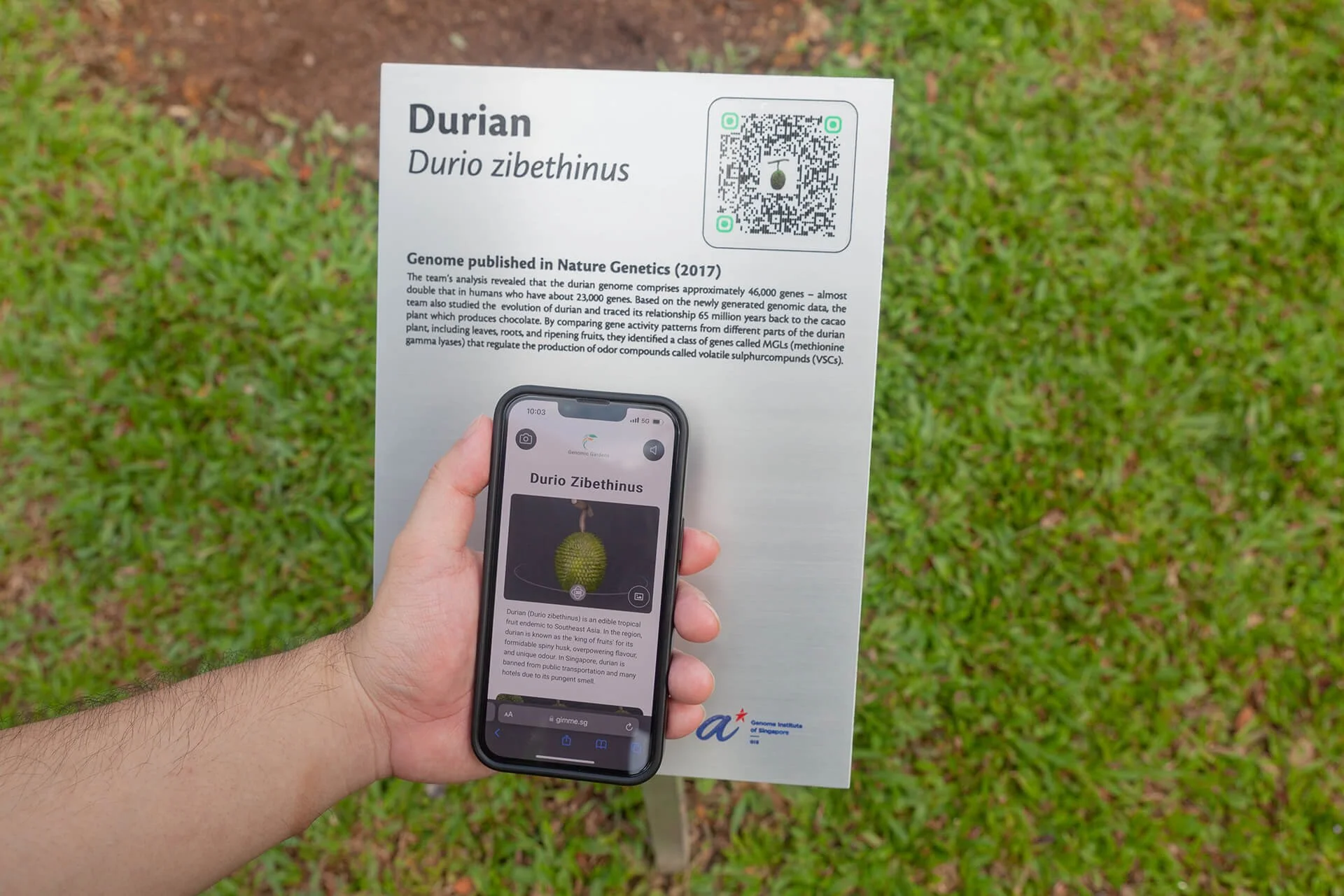
Partnering with SingHealth Duke-NUS Institute of Biodiversity Medicine, we gamified genomic information and made them accessible; transforming passive viewing into active, meaningful discovery.
Feeling the Narrative
Similarly, in our work with the Singapore Oceanarium, we wanted to explore how an environment could move a visitor emotionally, not just visually.
The ocean is vast and mysterious, yet for the average visitor, it is often a world seen only through screens. We wanted to deepen that relationship. By orchestrating the journey to mimic the descent into the abyss—playing with light, sound, and atmosphere—we created a sense of discovery that went beyond the visual.
It was a quiet shift, but it changed the pace of the room. Visitors slowed down. They stopped rushing from tank to tank and began to linger, truly present in the moment and wrapped in the mystery of the ocean.
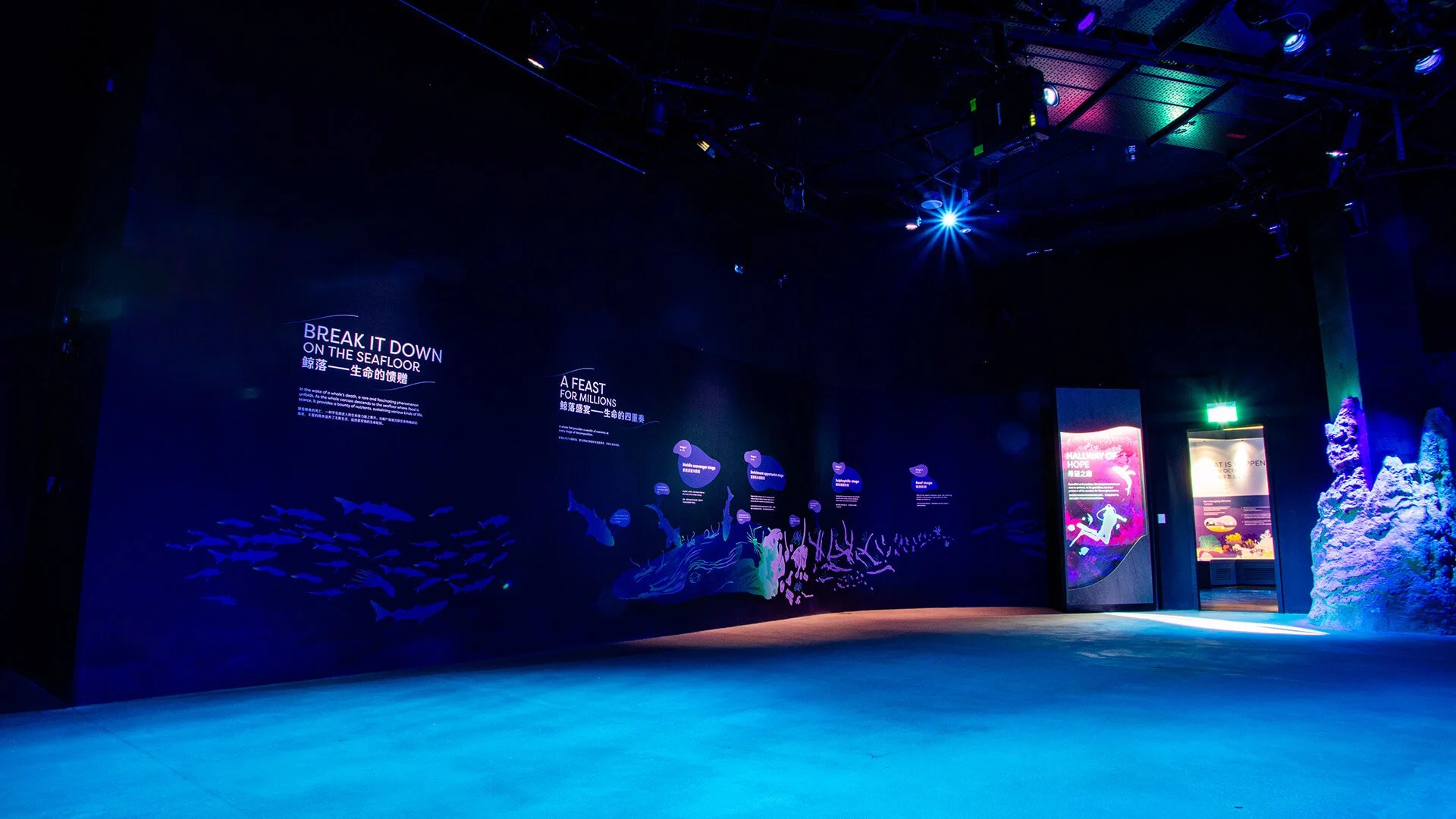
At the Singapore Oceanarium, we wanted to change the pace of the room. By simulating the emotional journey of descending into the abyss, visitors stopped rushing from tanks to tanks and began to linger, wrapped in the mystery of the ocean.
Honouring the Story
Why does this matter? Because every destination, whether it is a heritage site or a future-forward city, holds a story worth telling.
Our role as experience strategists is simply to help tell it. To translate ancient traditions or complex visions into a language that connects meaningfully with today’s audiences.
When we do this well, we don’t just fill a building; we deepen its relevance.
As we look toward the next decade of development, my hope is that we continue to build spaces that are not only iconic in their silhouette but enduring in their spirit. Ultimately, the destinations that last are the ones that resonate, becoming not just places to visit, but parts of our collective memory.